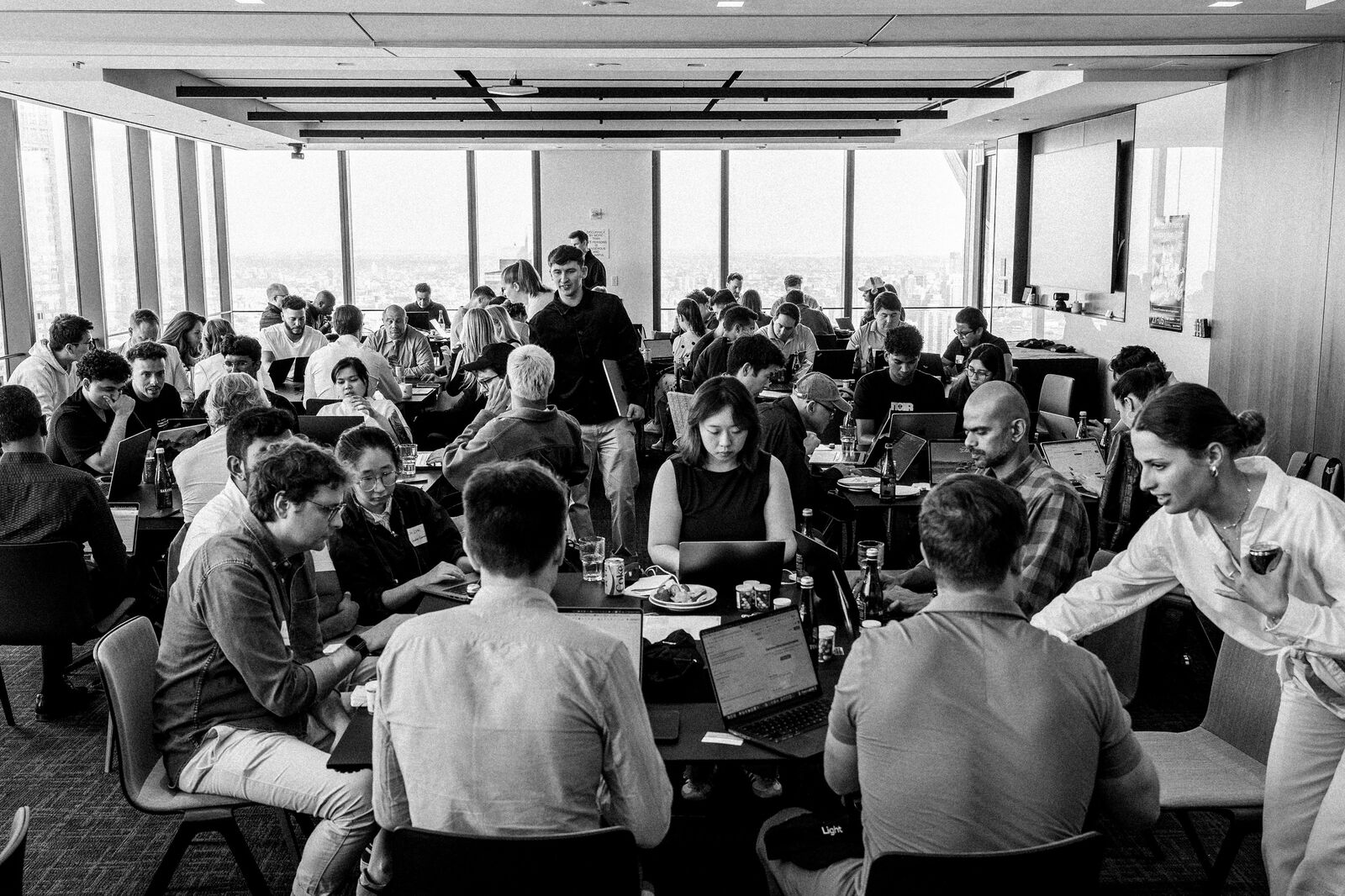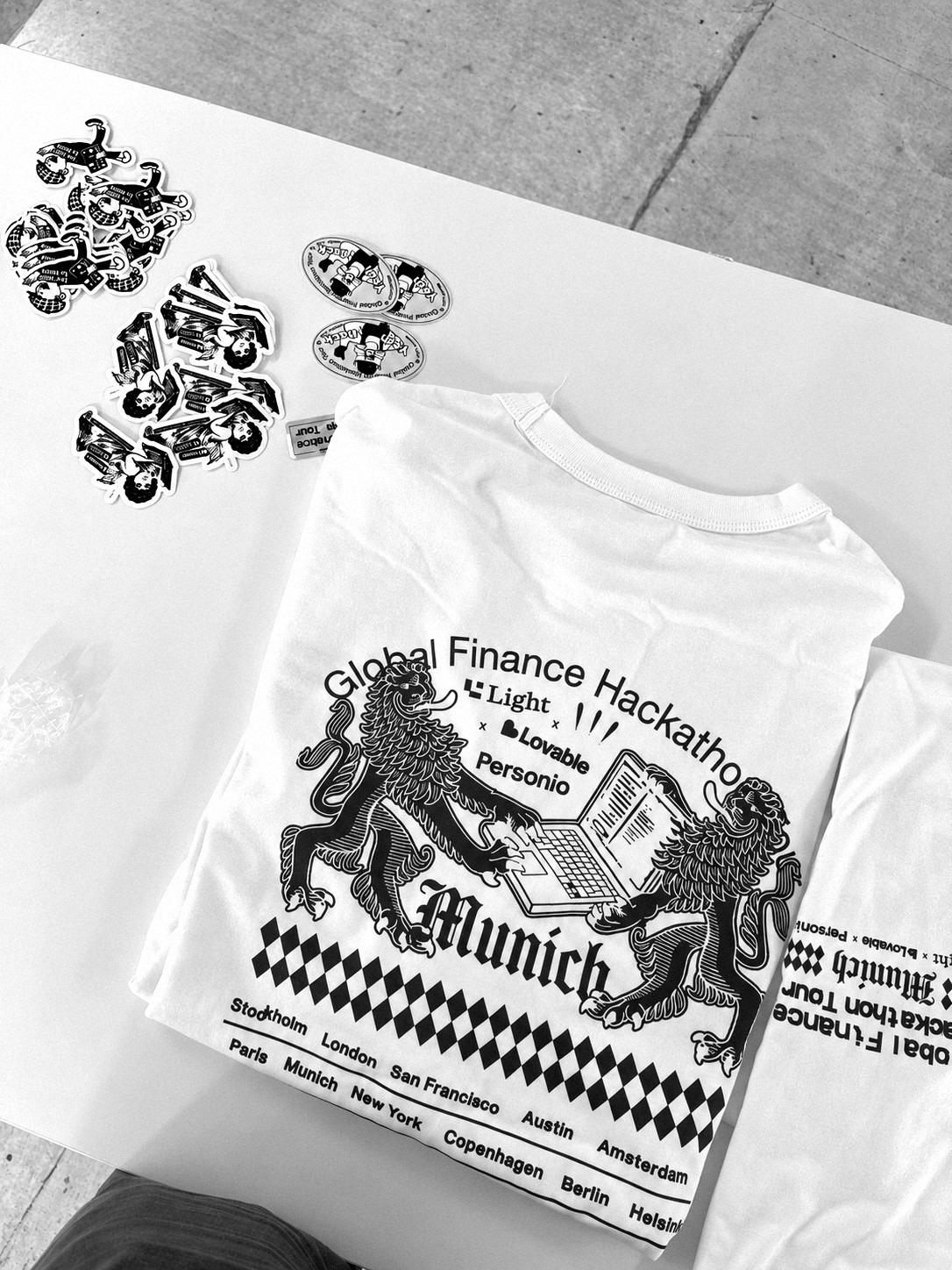
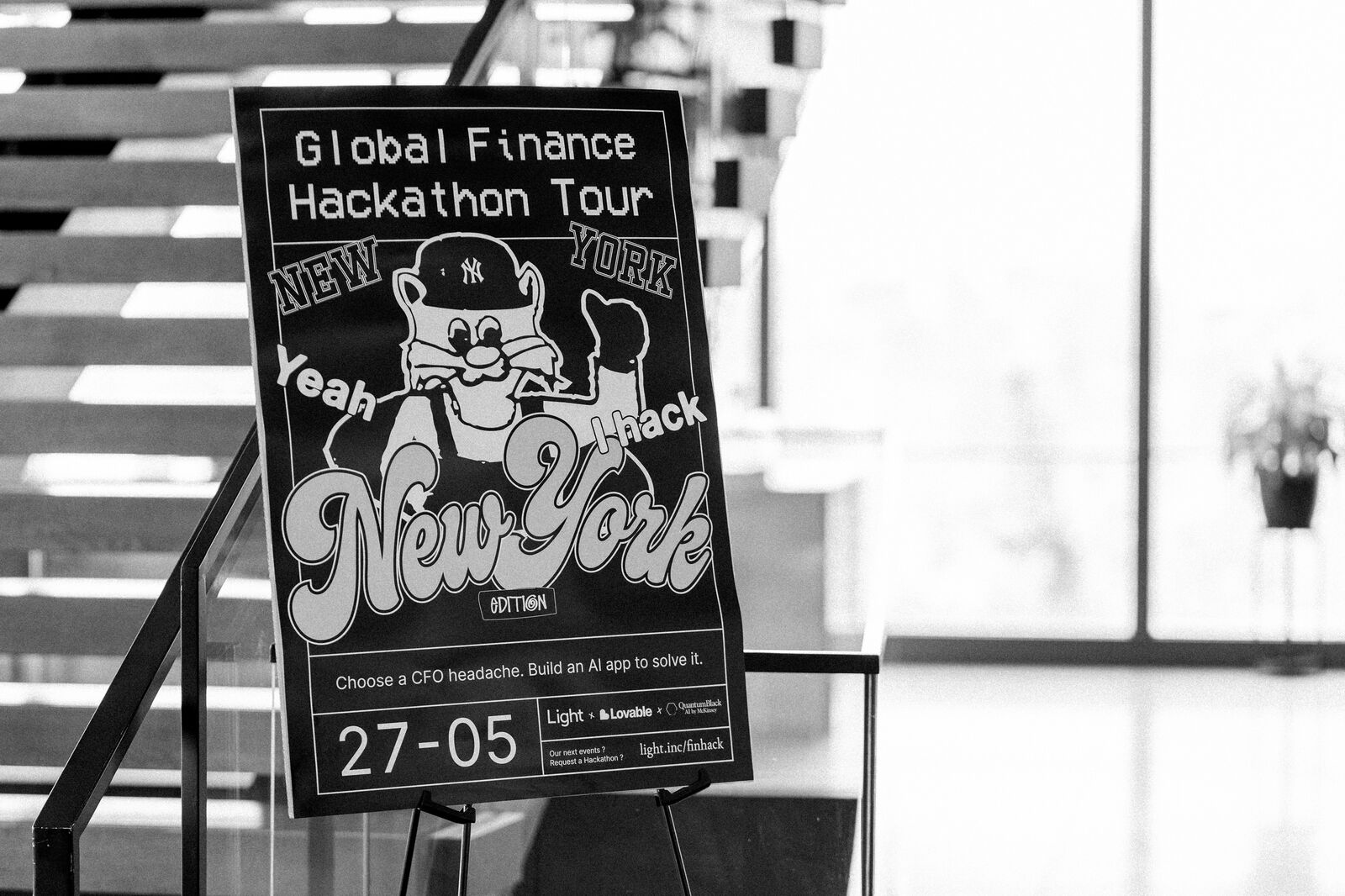
The Global Finance Hackathon Tour was back in New York for round two. Last time we ran it out of JPMorgan's brand new HQ. This time McKinsey had us over. Empire State of Mind kicked in somewhere around floor 40, and by the time the elevator doors opened on 61, the whole city was laid out underneath us, the concrete jungle doing its thing, and everyone in the room understood exactly why people write songs about this place.
Then they sat down to build.
Can you really make something useful in two hours? Without an engineer? Does this actually work, or is it a demo dressed up as a revolution?
80+ finance folks walked in to find out. 40+ AI apps walked out. Here's what happened.

The day that was
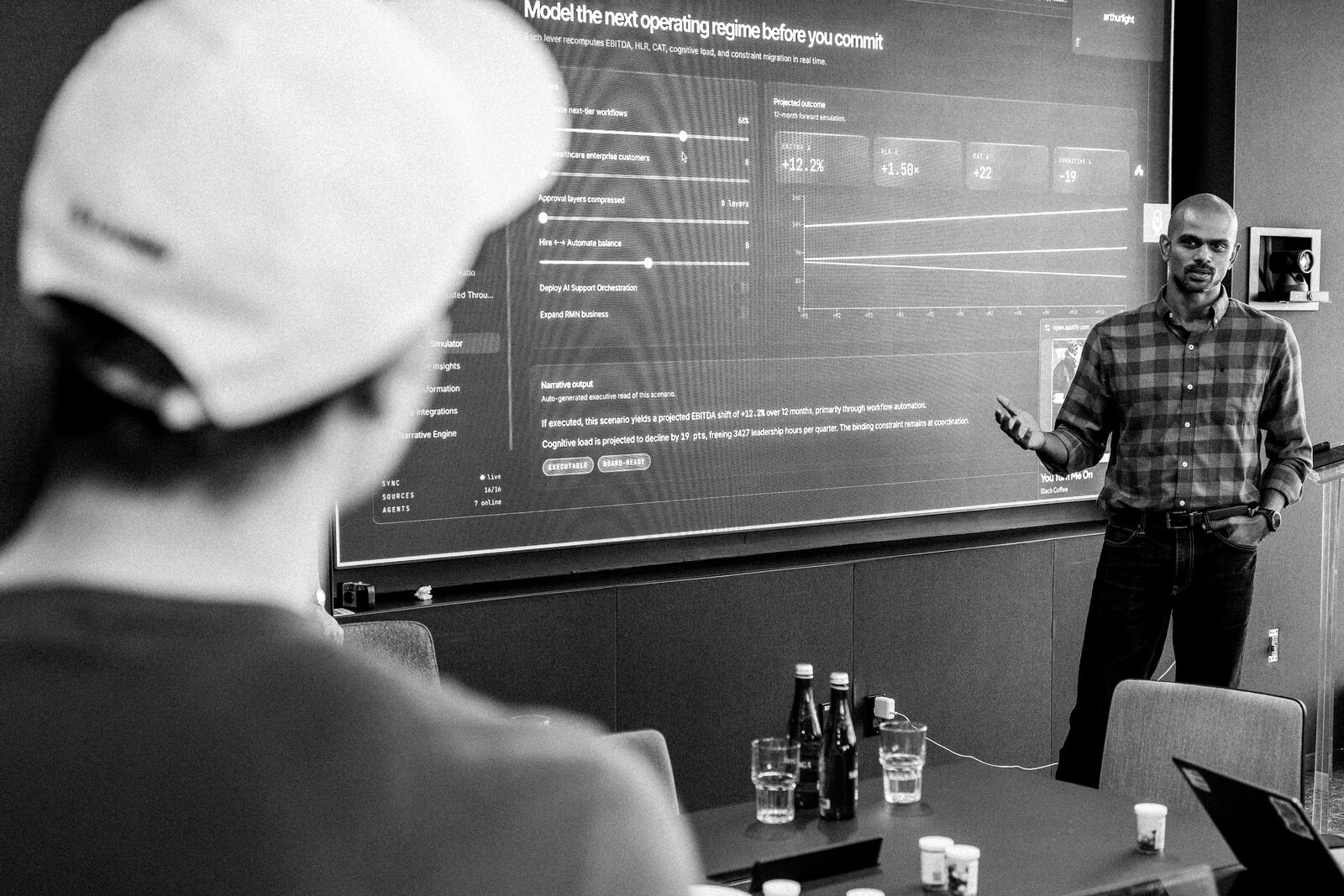
We took over the 61st floor of McKinsey HQ with McKinsey QuantumBlack and Lovable. The room was packed, so packed that one team grabbed a spot on the floor and built from there, which was entirely their call.
Everyone picked real problems from their own businesses and built against them in Lovable, on top of Light's demo account and live financial data. No engineers in the room, by design. Two hours later: 40+ working apps, built 61 floors above the city.

Why we do this
Finance is the function everything else leans on, and it's still the one most buried in manual work. Spreadsheets that break. Processes that compound errors quietly. Risk nobody saw until it had already cost something.
AI is starting to take that admin off the table. But most finance leaders have never watched it happen in their own hands. So we run these events because the fastest way to show someone what's possible is to give them the tools and two hours. For a lot of the room, this was the first time they'd built anything without writing a line of code. The first time a problem that had sat on the backlog for months got solved before the afternoon was out.

The top three
Lots of strong builds. Three rose to the top:
Vendor Connect
Companies lose 5 to 7% of annual revenue to short-pays and deductions on receivables, and most finance teams still claw it back by hand, working through invoices, remittances, emails, and delivery docs to resolve every dispute. VendorConnect runs the whole thing on autopilot. Its AI agents spot the short-pays, validate the claims, build the dispute packages, and recover the revenue across fragmented ERPs, portals, PDFs, and inboxes, without adding a single head. The result: more revenue recovered, lower DSO, and 3x the claims processed by the same finance team.
Vendo
The average company runs 130+ vendors, and CFOs lose 15 to 22% of their SaaS spend to the sprawl. Close to half those vendors are duplicated across legal entities under different billing, and 60% of auto-renewals close without anyone negotiating. The tools meant to help each see one slice: one does procurement, one stores contracts, one tracks expense, and the spreadsheet goes stale within two days. None of them write back to the ledger, so the CFO is left with insights nobody can act on and actions nobody can audit.
Vendo turns the entire vendor universe into one map wired straight to the Light ledger. It plots 36+ vendors across 17 categories and 4 legal entities, and every number, summary, and recommendation carries a tag you can click to see the exact data behind it. Then two agents do the work: one drafts benchmark-backed counter-offers before renewal windows close, the other catches vendors duplicated across entities, writes the journal entries to consolidate them, and posts them to Light on one-click approval. Every figure traceable, every recommendation ready to fire.
QuantumTrack
Companies are rolling out AI across every team faster than finance can tell whether any of it pays off, and most savings claims come from vendors, pilots, or internal productivity stories rather than the ledger. QuantumTrack gives the CFO ledger-backed proof instead. It pulls in financial evidence and Light-compatible accounting data, then runs AI finance agents across filings, invoices, cloud spend, operational metrics, payroll, and board claims. Out comes a full AI audit: payback period, revenue per head, token spend over time, and a confidence score on how solid the evidence actually is. It separates what's been claimed from what's been verified, flags the weak numbers, and tells the CFO which AI initiatives to scale, pause, or measure again.
And the winner… Vendor Connect!
The judging panel was Matt Vickers (VP of Product Development at Light), Jaron Leung (Finance Ops at Lovable), and Bobby Shimer (Distinguished Expert in Risk & Banking at McKinsey). They gave it to VendorConnect for the clarity of the problem, the depth of a revenue leak most finance teams have quietly learned to live with, and how ready it was to put straight to work. This wasn't built to win a hackathon. It was built to win back the money the business had already written off.
What's next
The tour heads to Copenhagen on June 10 for Hack #9. No rest for the finance function.
If you want to request a Finance Hackathon in your city, head to light.inc/finhack. Follow us on LinkedIn to be the first to know where we're headed next.
Come build with us.