
CustomersGift card and rewards infrastructureTillo
After 2 failed ERP implementations, Tillo saw the Light.

Un-ERPed
Eight → One
7 instances of QuickBooks and 1 of Xero, collapsed into a single ledger across every trading and non-trading entity.
Month-end close
Day 12 → Day 5
From 12-day closes to a 5-day close, with prep done in the first 3 to 4 days.
Revenue
Manual → Automated
Manual monthly uploads replaced by revenue live in the books on T+1.
Tillo is the infrastructure behind gifting and rewards: a B2B marketplace connecting brands with partners in 23 countries, through 4 trading entities.
Partners load funds onto a Tillo Hub account and draw down purchases of gift cards from thousands of brands over Tillo’s API. Needing to handle billions of USD, across 23 currencies, with 5 to 15 million monthly transactions flowing through the platform depending on season — Black Friday and Christmas push volume hardest.
From its hub in Hove on the English south coast, Tillo has grown from 20 people to around 160, with teams in Austin, Cape Town, and Australia. The finance function had to catch up with that growth, then get ahead of it.
- Customer
- Tillo
- Industry
- Gift card and rewards infrastructure
- Entities
- 4 trading and group entities, across the UK, US, Australia, and South Africa
- Website
- tillo.io

01The Challenge
The problem: 8 ledgers, 2 failed ERPs, 12-day closes
Before Light, Tillo ran finance on 3 instances of QuickBooks. That grew to 7, plus 1 of Xero: software built for sole traders, holding together a 4-entity, 23-currency business. It could not hold.
2 ERP implementations had already failed, NetSuite among them, both dying the same death: every change a new statement of work, every question a consultation, every month a delay. 3 years in, the team was still forcing Tillo’s operating model into a structure that never fit.
Month-end took 12 days on a good month, most of it logging into 8 separate ledgers, pulling data out by hand, and assembling management accounts in a spreadsheet.
02The Solution
The solution: a strong accounting core, not another monolith
Tillo went back to market with a broad search: NetSuite, the vendor behind one of its failed implementations, the established players, and a newer wave of tech-forward finance platforms. US-based ERPs came off the list early — they hadn’t nailed UK tax or statutory reporting, and the gaps were too large to plug for a business trading across five markets.
We very much had a square peg round hole situation, trying to force Tillo’s business structure into a one-size-fits-all format that just didn’t work. It was wall after wall after wall.
What Tillo wanted wasn’t a platform that tried to do everything. The big monoliths “tried to do absolutely everything” — Tillo needed a strong accounting core, built well, with room to report and stay agile as the business changed shape.
The reporting, the agentic nature, the ability to configure from the ground up so you can look at exactly what you needed.

That configurability turned into a genuine build partnership. Tillo’s team worked directly with Light’s solution engineering and product team. “We were like, but this is how we operate, and this is how we need it to happen. And then working together in partnership to find the best solution.”
One story sums up how responsive that partnership has been. Arron Jennings flagged that a feature was sitting in the wrong module in the UI — “I just messaged somebody and said, ‘You’ve got things sitting in the wrong module, they should be in settings.’ The next morning I looked, and it had gone.”
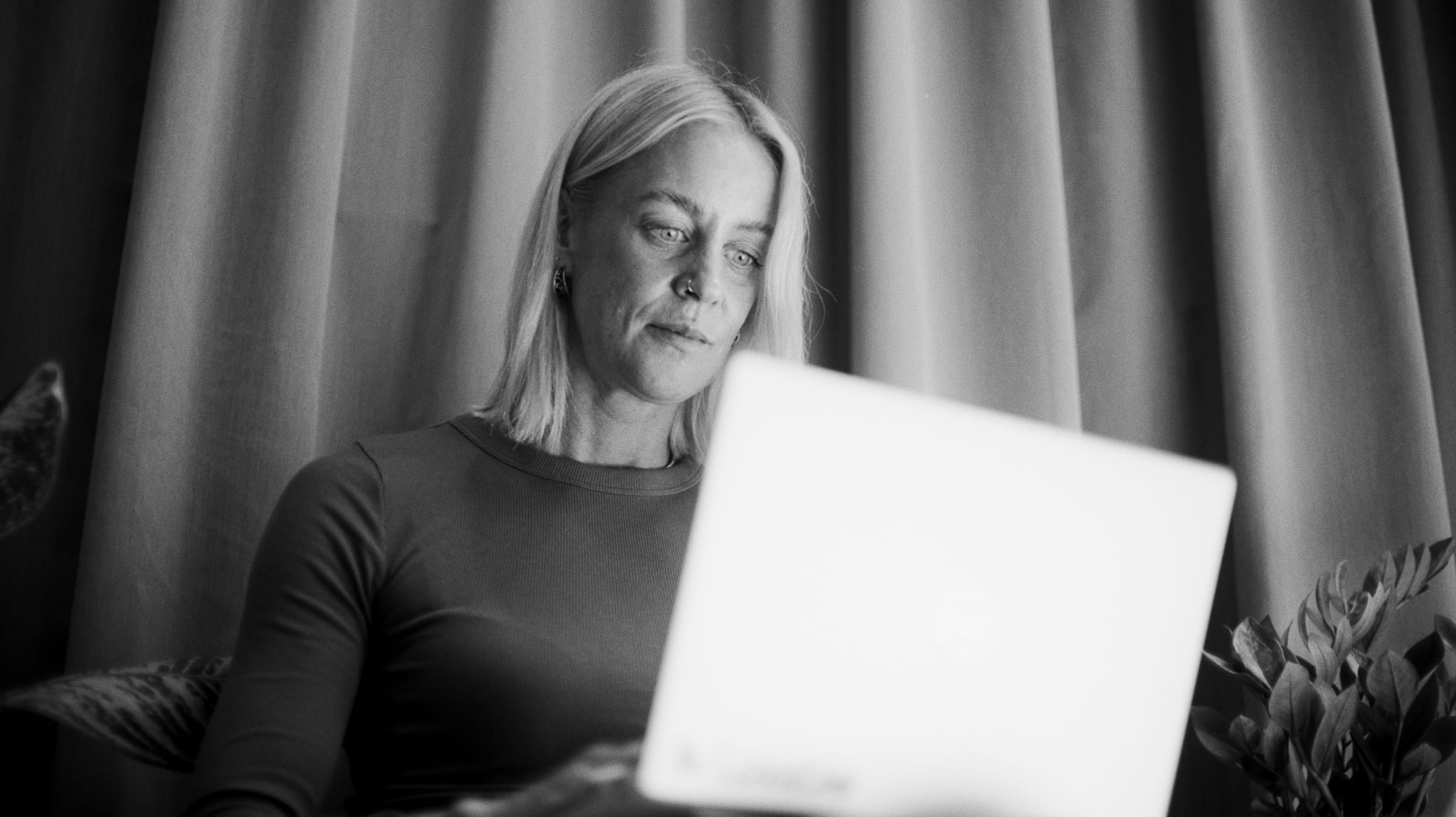
One platform for every close
Month-end has gone from 12 days to 5. Prep work, previously the slowest and most manual part of the process, now lands inside the first 3 to 4 days.
All 4 entities live in one platform, one UI. Nobody closes an entity, logs out, and starts the next one anymore. The team works across the group by function, revenue, approvals, reconciliations, each done once for all 4 entities instead of 4 times over.
Group entity management has saved every member of the team hours and hours.
Invoicing and AR, hands-free over the API
Tillo pushes 750 to 900 invoices a month out of Light, straight over the API to the customer, with no review step in the UI. What used to be manual CSV uploads into QuickBooks is now revenue standing in the books on T+1.
We’re sending them directly over the API and distributing them directly to the customer. We’re not even triaging or reviewing these in the UI anymore. They’re just directly happening.
Custom dimensions and AI-powered reporting
Tillo’s business runs across entities, territories, currencies, products, projects, cost centres, and departments, often overlapping. Custom dimensions let the team tag transactions across all of them and slice the data however a report needs it.
Layered on top is Light’s AI reporting, which the team uses to query data in plain language rather than building reports by hand. “It’s in the report functionality, so you can do a text to chat and get some really, really good results,” says Arron Jennings, Finance Transformation Manager at Tillo. “I have reports doing everything from running balance calculations to pulling in custom dimensions.”
What Tillo runs on Light
- Group entity management across 4 trading entities.
- Month-end consolidation and close.
- FX revaluation across 23 currencies.
- AR and invoicing, distributed directly over API.
- Custom dimensions across entity, territory, currency, product, project, and cost centre.
- AI-powered, text-to-chat reporting.
- Sunrise: bulk transaction uploads with AI-assisted coding and custom dimension tagging.
- Bank reconciliation across 60+ accounts.

03The Result
The future of finance
Tillo grew from 20 people to 160 without scaling finance headcount to match, because Light absorbed the work that used to require more people. That is the shift in plain terms: less time recording numbers after the fact, more time acting on them while they still matter.
Finance stopped being a boring back-office function and became a key player in driving growth and direction.
One ledger for a global business
Tillo replaced 8 ledgers and 2 failed ERPs with one platform. See what your close looks like on Light.
Book a demoMore customer stories
-

All Gravy builds the employee app that frontline teams actually open. Communications, onboarding, training, compliance, and daily operations, in one branded app for the people running the floor.
Read the story -
Alva Labs
Alva Labs builds an AI-native hiring system so companies decide on evidence, not gut feel. Their finance team wanted to run the same way.
Read the story -
Dreamdata is the agentic marketing platform for B2B marketers. It brings ads, website visits, emails and CRM data into one timeline, showing revenue teams what actually creates pipeline, and helping them act on it.
Read the story -

At Light, we believe finance should be everyone's tool, not just the finance team's.
Read the story -

KeyShot builds the 3D rendering software behind how the world’s products are brought to market. Its finance team runs deliberately lean.
Read the story -
Ocean.io
Ocean.io is a global B2B data and go-to-market intelligence platform, used by sales and marketing teams to identify, target, and win the right customers, across Denmark and the US.
Read the story -

Officeguru is now live on Light, having gone from first call to signed contract in just 7 days.
Read the story -
Omnea is the agentic operating system for procurement, helping businesses control spend and risk while staying agile.
Read the story -

Omnio Group runs the payments, loyalty, and rewards infrastructure behind some of the world’s biggest enterprise brands.
Read the story -

Perlego has chosen Light to bring royalties, revenue and finance across its UK and US entities onto one platform, replacing Xero, spreadsheets and a patchwork of point tools.
Read the story -

Oper Credits builds AI-driven software that automates mortgage processing for financial institutions across Europe, running three legal entities across Belgium, Switzerland, and the UK.
Read the story -

Paebbl has moved its group finance operations onto Light, replacing three separate ERP systems with one global platform.
Read the story