
Blog/Insights
Insights
Perspectives on AI-native finance: where the technology is headed, and what it changes for how finance teams work.
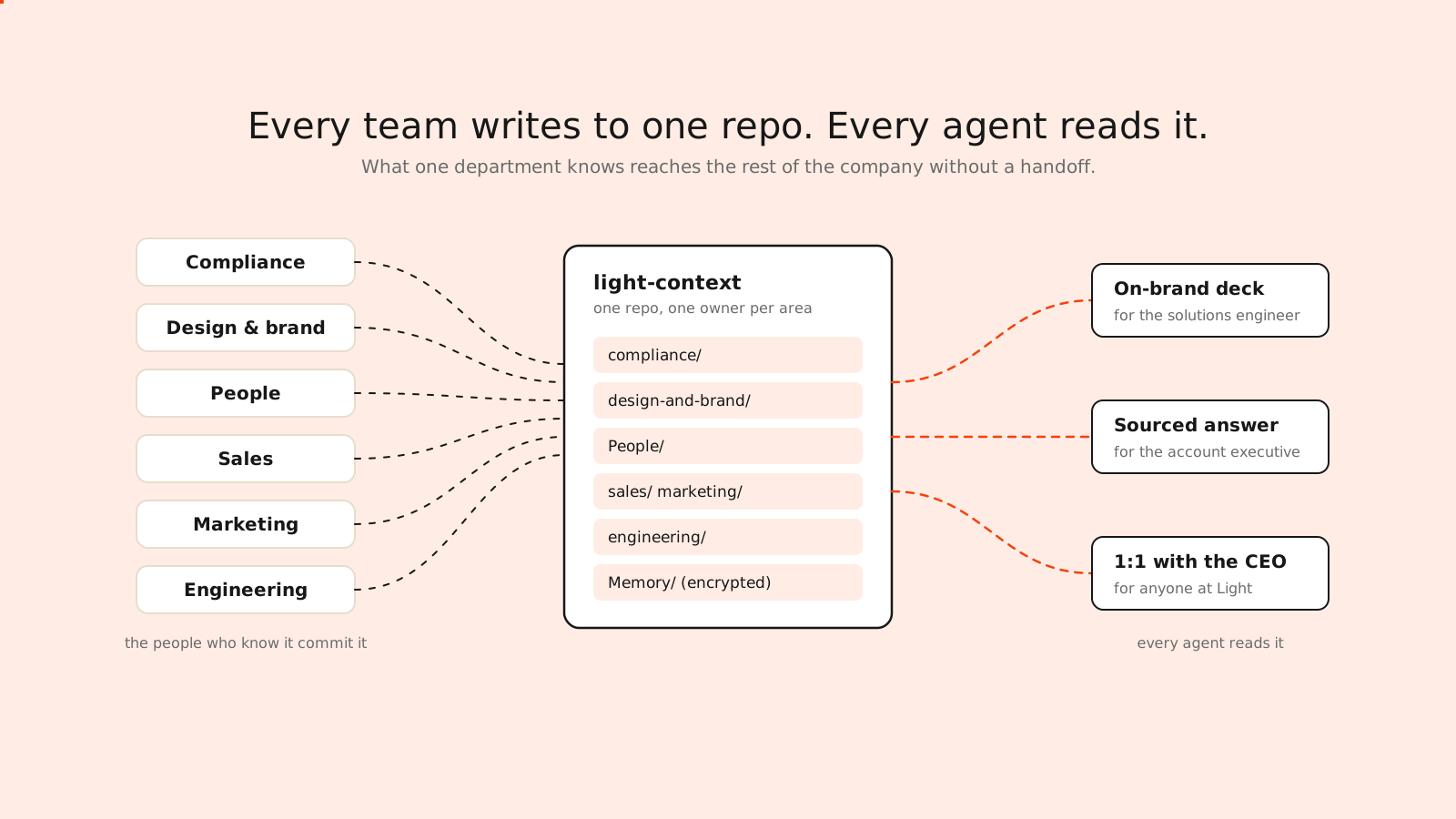 The Great Flattening, part II
Read post
The Great Flattening, part II
Read post
Posts
50 posts

Vendor intelligence
Every company signs renewals blind. The only price you have ever seen is your own. Your ledger knows better: the same vendor sits in hundreds of ledgers at different prices, and the software that pays your bills has started saying which of them are too high, and which vendors should not exist at all. Read post
Tokens are the new payroll
Sometime in early 2026, software agents passed humans in tokens consumed per week, and no org chart noticed. Tokens are now a top cost line, agents are headcount, and companies that run payroll to the cent for people run nothing at all for their agents. Read post
The Great Flattening
The gap between knowing something and changing the software is getting smaller. The people who understand the problem can increasingly fix the thing themselves. Support updates the article instead of answering the same question again. Product managers clarify the flow while it is still fresh in their heads. Subject matter experts can change the source instead of explaining around it. Read post
Accounting automation: workflows and controls
Choose an accounting task to automate, design the workflow and test its failure paths. Use a practical invoice example and measure the work left behind. Read post
The Great Flattening, part II
Everyone at Light works with an agent, so every agent has to know our strategy, culture and way of working. We keep all of it in 1 shared context centre on GitHub, and every agent reads it before it does the work. Read post
Xero alternatives for multi-entity finance teams
Compare keeping Xero with specialist apps against moving to a shared finance platform. Assess group reporting, controls, total cost and migration. Read post
Best general ledger software for a growing company
Compare general ledger options by entity structure, reporting, controls and migration effort. Build a shortlist around the business you need to run. Read post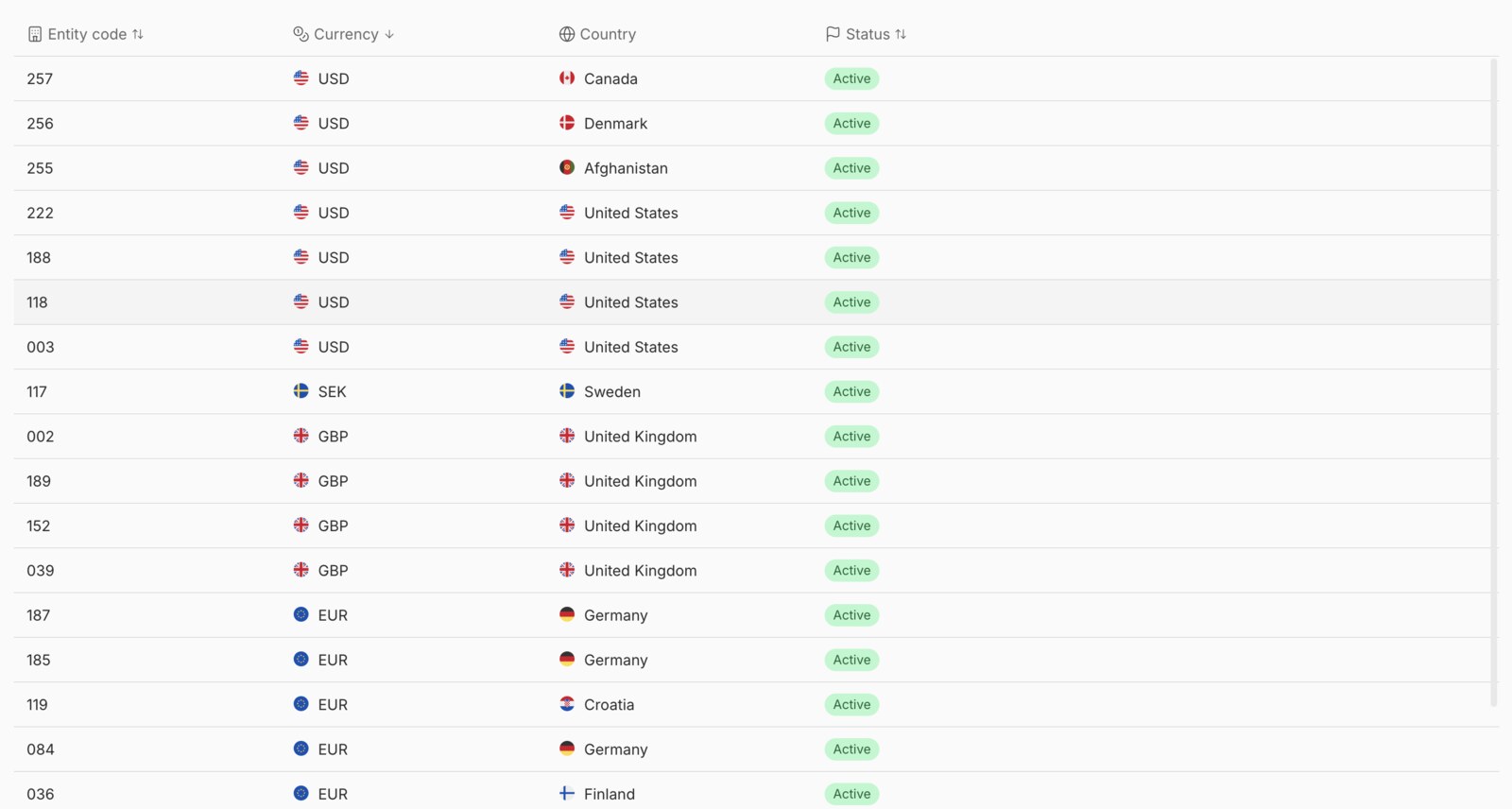
Multi-entity accounting software: a buying guide
Compare multi-entity accounting, multibook and consolidation. Assess entity records, reporting bases and controls before choosing a shared platform. Read post
Outgrowing QuickBooks: when to upgrade and what to choose
Decide whether to improve your QuickBooks setup or change systems. Compare upgrade options around entities, reporting, controls and migration effort. Read post
Best AI accounting software for your finance team
Compare Light, Rillet, Sage Intacct and Xero by workflow, controls and fit. Use real transactions to assess what the AI can complete. Read post
Payment reconciliation software: a practical guide
Match receipts and payments to the right invoices, explain fees and partial settlements, and keep unresolved balances visible for review. Read post
NetSuite alternatives, pricing and implementation costs
Compare NetSuite with other finance systems, understand what shapes its price, and assess implementation costs against the work your business needs. Read post
ERP implementation timeline: plan the work
Build an ERP implementation timeline around scope, data, testing and cutover. Use acceptance gates to make a vendor’s proposed date assessable. Read post
Entity management vs multi-entity accounting
Decide whether you need legal entity records, accounting across companies or both. Separate filings, ownership and group reporting in your buying brief. Read post
Will AI replace accountants? How the work changes
AI is changing accounting tasks and staffing decisions. See which work can move to software and which skills help accountants review and govern it. Read post
Financial close software: guide and checklist
Choose close software around your team’s bottlenecks. Use a month-end checklist, clear owners and real review cases to test the shortlist. Read post
What changes in an audit when the controls run themselves
Controls applied to the full population, executed automatically and logged at every run. What that does to control testing, segregation of duties and scope. Read post
The procurement agent killed the intake form
An approval workflow is only as good as the requests entering it. What changes when the policy runs at intake and again at the invoice. Read post
SaaS revenue recognition: contracts and examples
Separate SaaS billing, cash, ARR and recognised revenue. Work through a simple subscription example and identify contracts that need further judgement. Read post
AI ERP: what it actually means, and how to choose one
Every ERP vendor now claims AI. How we separate the 3 products hiding under the label, and the questions we would ask any vendor, including ourselves. Read post
The 7 jobs inside a month-end close
A close is 7 repeatable steps. 2 are genuinely periodic. The other 5 are continuous work that got saved up, and that is where the week goes. Read post
Can you audit an agent?
The first question every controller asks about AI agents is what happens to the controls. The audit trail gets stronger, and here is the mechanism. Read post
Agentic accounting vs. RPA: why rules hit a ceiling
RPA and rules-based automation execute predefined steps and halt at the first surprise. AI agents pursue outcomes. Here's the difference, and why it matters for finance teams. Read post
Copilots inform. Agents act. The line that divides finance AI
Most finance AI is a chatbot over your data: useful, but it touches nothing. Agentic accounting crosses the line from answering questions to completing work. Read post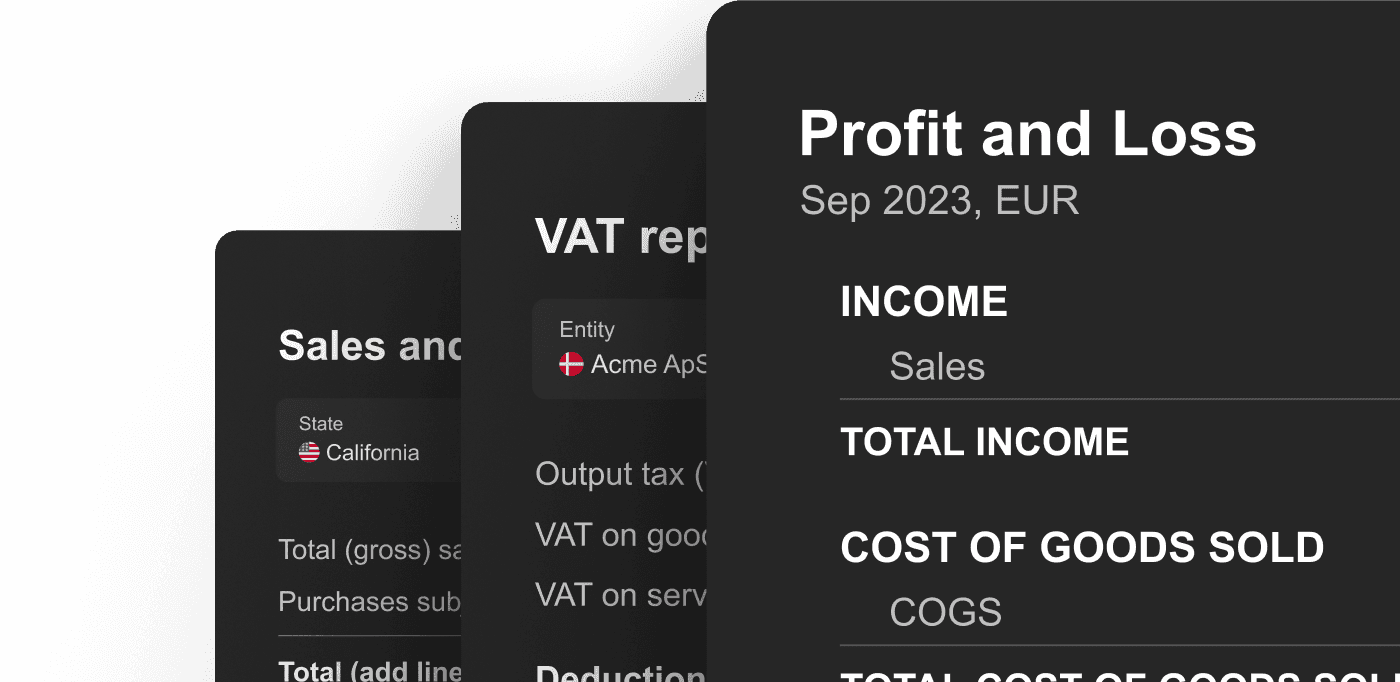
Financial reporting software: a practical guide
Test financial reporting software for traceability, dimensions and reporting bases. Make every figure in the pack explainable from the ledger. Read post
Bank reconciliation software: what to evaluate
Test bank feeds, matching rules and unresolved differences before choosing reconciliation software. Use a practical checklist for a controlled close. Read post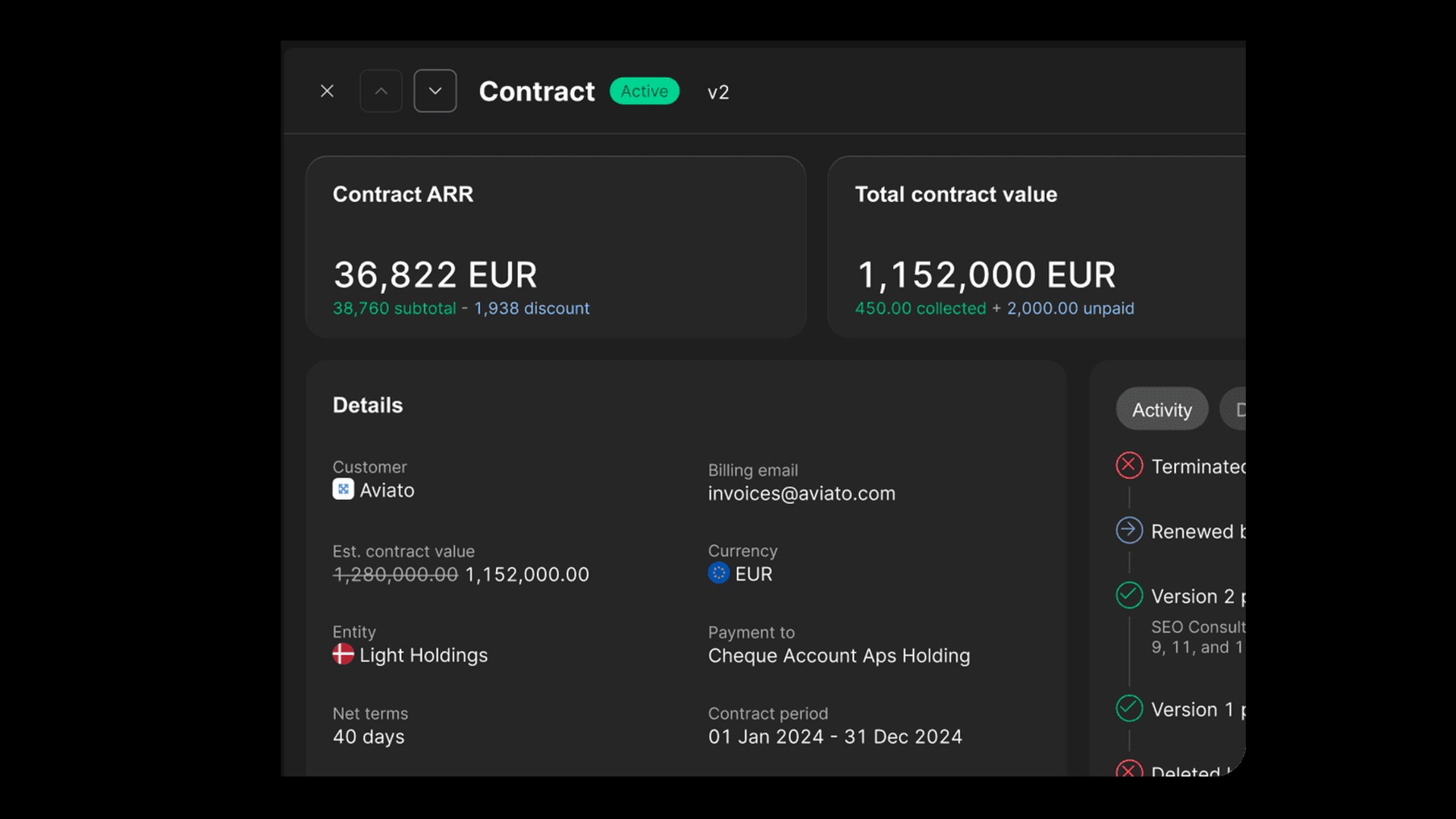
Order to cash software: connect the whole process
Evaluate the handoffs between orders, billing, collections and cash. Keep revenue recognition and exception ownership visible across the process. Read post
ERP selection criteria: a finance team’s scorecard
Use an ERP scorecard built around real transactions, controls, delivery effort and cost. Compare evidence from demos instead of yes-or-no feature claims. Read post
Multi-currency accounting software: a buyer’s guide
Evaluate transaction currencies, exchange rates, remeasurement and group translation. Test the full path from invoice to payment and reporting. Read post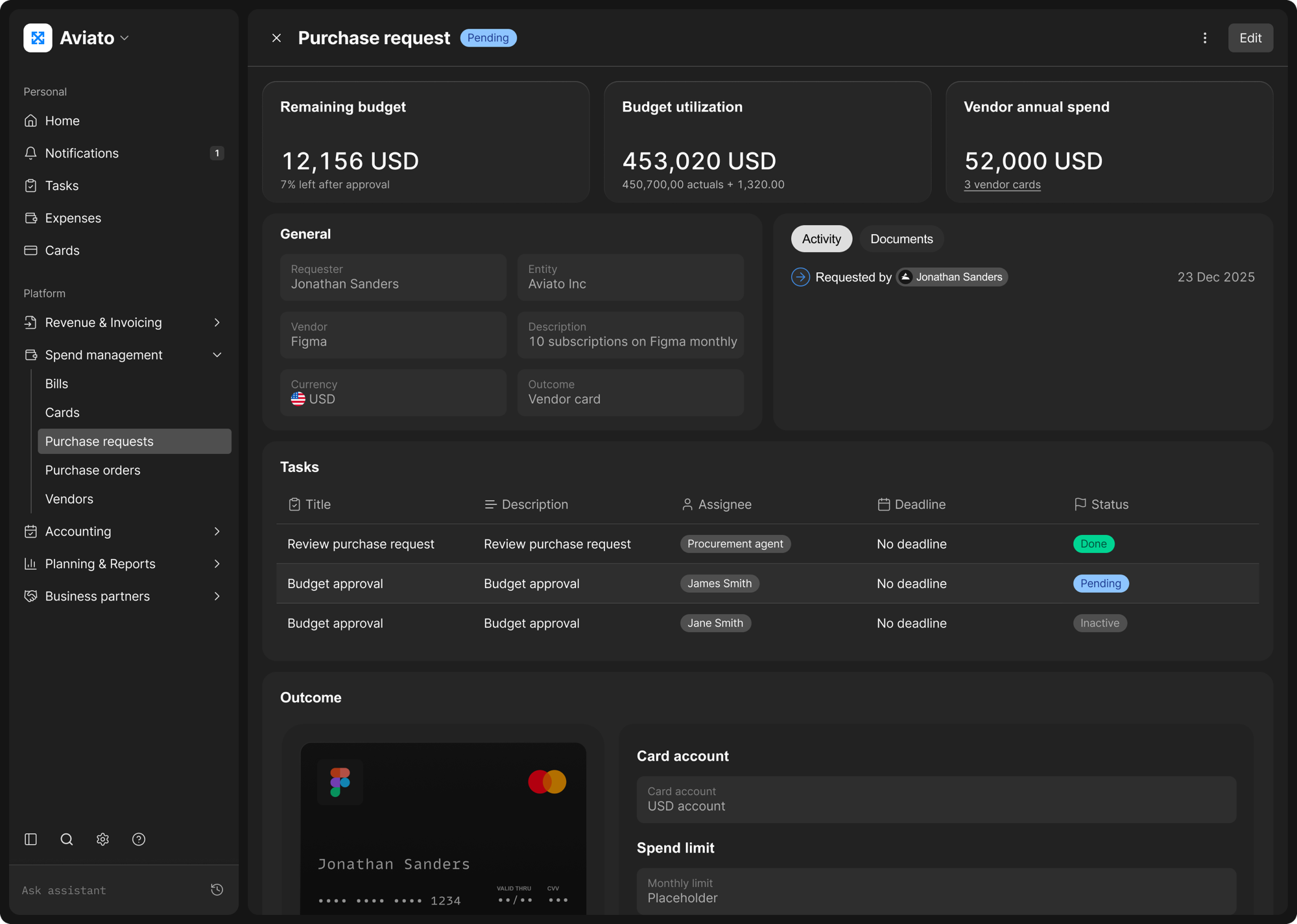
Three way matching: process, examples and controls
See how purchase orders, receiving evidence and invoices work together. Handle partial deliveries and exceptions without losing the approval trail. Read post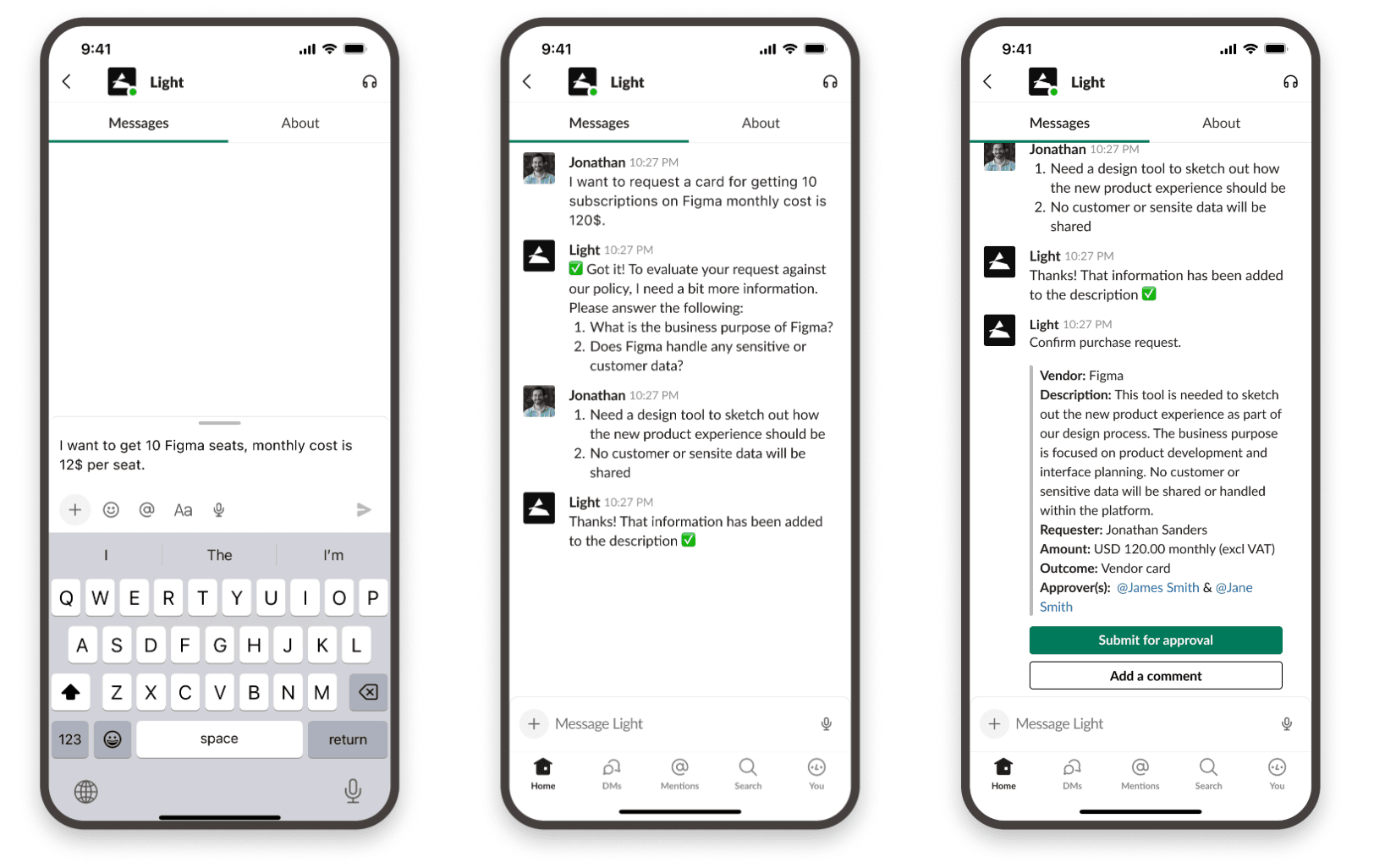
Best procurement software: how to build a shortlist
Compare Coupa, Zip, Procurify and Light by purchasing scope, adoption and finance fit. Test the route from request to receipt and payment. Read post
Revenue recognition software: a buyer’s guide
Test revenue schedules, contract amendments and ledger reconciliation. Choose software that applies your accounting policy with a traceable record. Read post
Management reporting software: a board pack example
Build a board pack around decisions, clear metrics and useful commentary. Use a worked reporting example to test the software and its source data. Read post
Internal controls in accounting: a practical guide
Design accounting controls with clear owners, evidence and exception handling. Understand what automation changes and what reviewers still need to test. Read post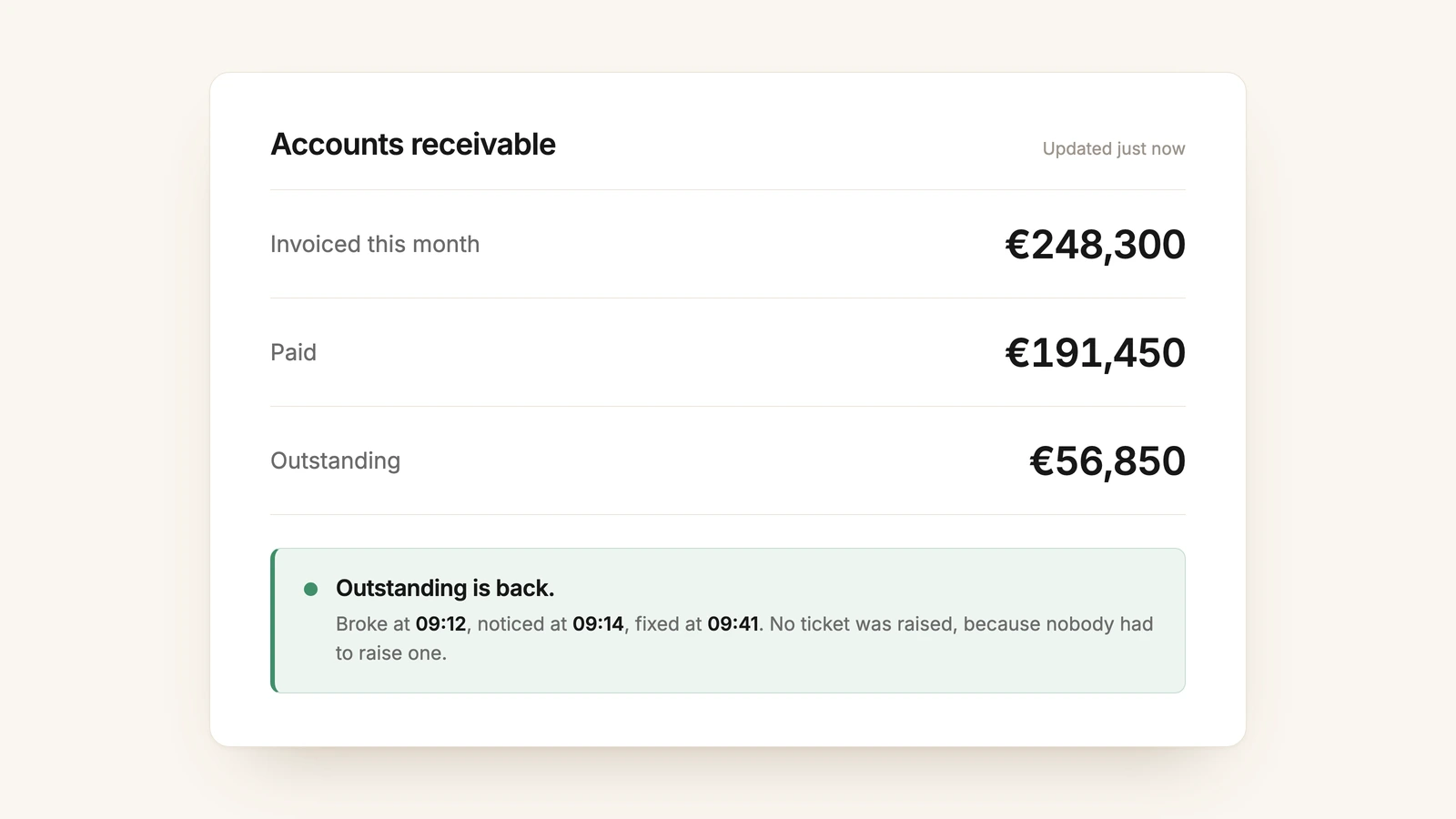
Accounts receivable automation software: a guide
Compare billing, collections and cash application with real customer scenarios. Keep disputes, credit notes and revenue treatment in the evaluation. Read post
ERP migration: data, history and cutover checklist
Plan which accounting data to migrate, reconcile the opening position and test the first close. Keep a usable record of the history you leave behind. Read post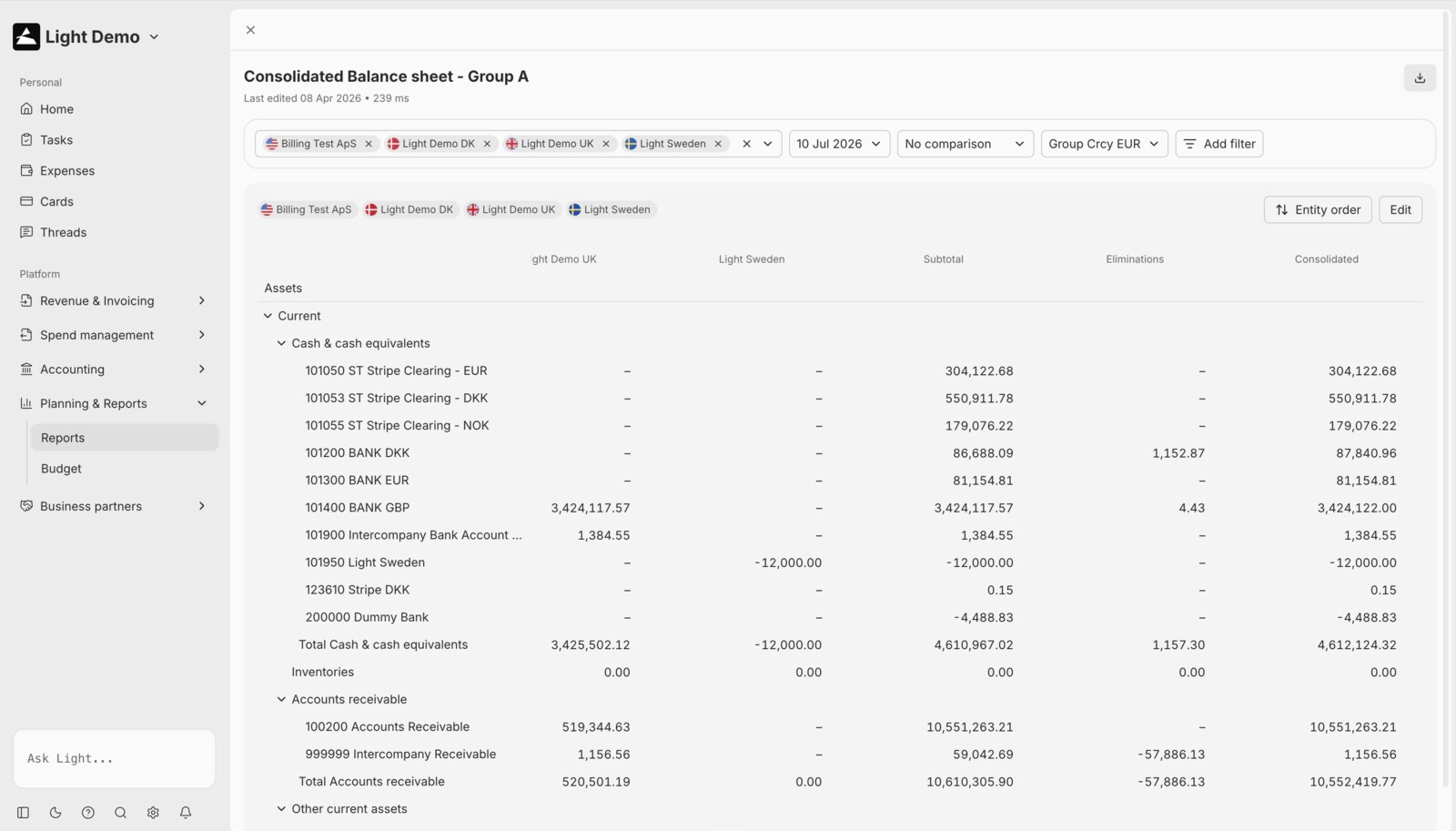
Intercompany accounting software: what to test
Follow a €10,000 intercompany example from entity entries to elimination. See what to test for matching, group reporting and the audit trail. Read post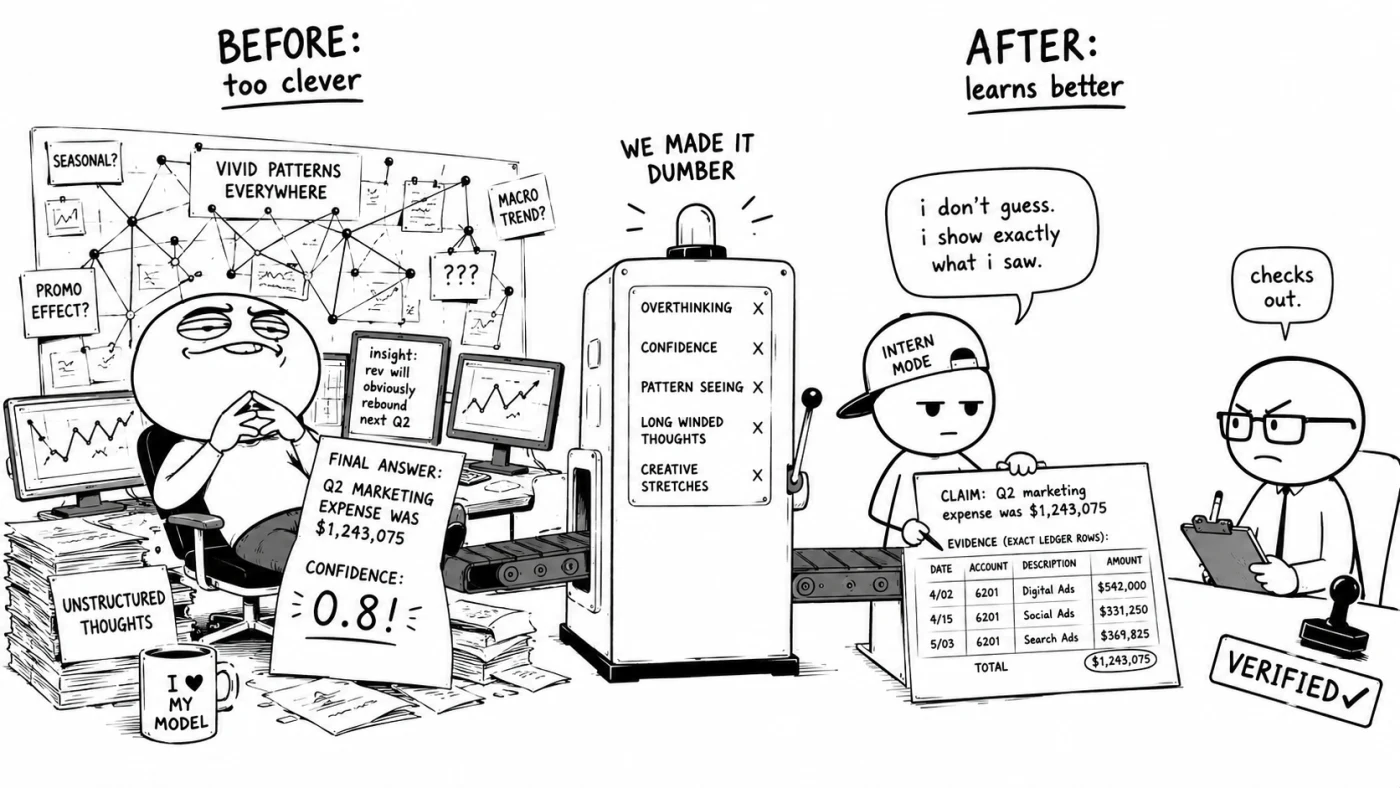
AI agents for finance: uses and controls
Assess AI finance agents by the work they complete, the access they need and the evidence they leave. Start with a controlled, measurable pilot. Read post
Accounts payable automation: invoice to payment
Follow supplier invoices from capture to payment. Test coding, matching, approvals and exceptions before choosing accounts payable automation software. Read post
Financial consolidation software: a buying guide
Evaluate account mapping, eliminations, currency translation and review controls. Choose consolidation software around your group’s actual structure. Read post
Best practice in the age of AI
Highlights from our inaugural Stockholm summit with Legora, Strawberry, Lovable, Anthropic and JPMorgan on AI-native best practice. Read post
Did AI deliver the holy grail of real-time financial reporting?
CFOs and investors at Light's AWS Amsterdam panel debate whether AI can finally deliver real-time financial reporting, and whether we even want it. Read post
AI bookkeeping: the future of financial management
What AI bookkeeping is, how it compares to traditional methods on cost, accuracy and scalability, and how to choose the right approach. Read post
Accounts payable and receivable bottlenecks: fixes
Find where supplier invoices and customer payments get stuck. Use practical checks, clear ownership and measures to fix AP and AR delays. Read post
Reducing human error in financial management with AI
How AI-powered financial automation reduces costly human errors and brings precision, compliance, and efficiency to financial management. Read postLight manifesto
Why mid-market finance leaders need modern, composable ERP solutions beyond the traditional offerings from SAP, Oracle, Microsoft, and NetSuite. Read post
Revolutionizing CFO tooling: three waves since 2000
How the CFO role has evolved through three waves since 2000, and the tools and strategies finance leaders need to navigate today's landscape. Read post
Leveraging AI for finance: balancing stability and transformation
Why risk-averse CFOs must embrace AI, and how quick wins can transform budgeting, forecasting, and routine accounting tasks. Read post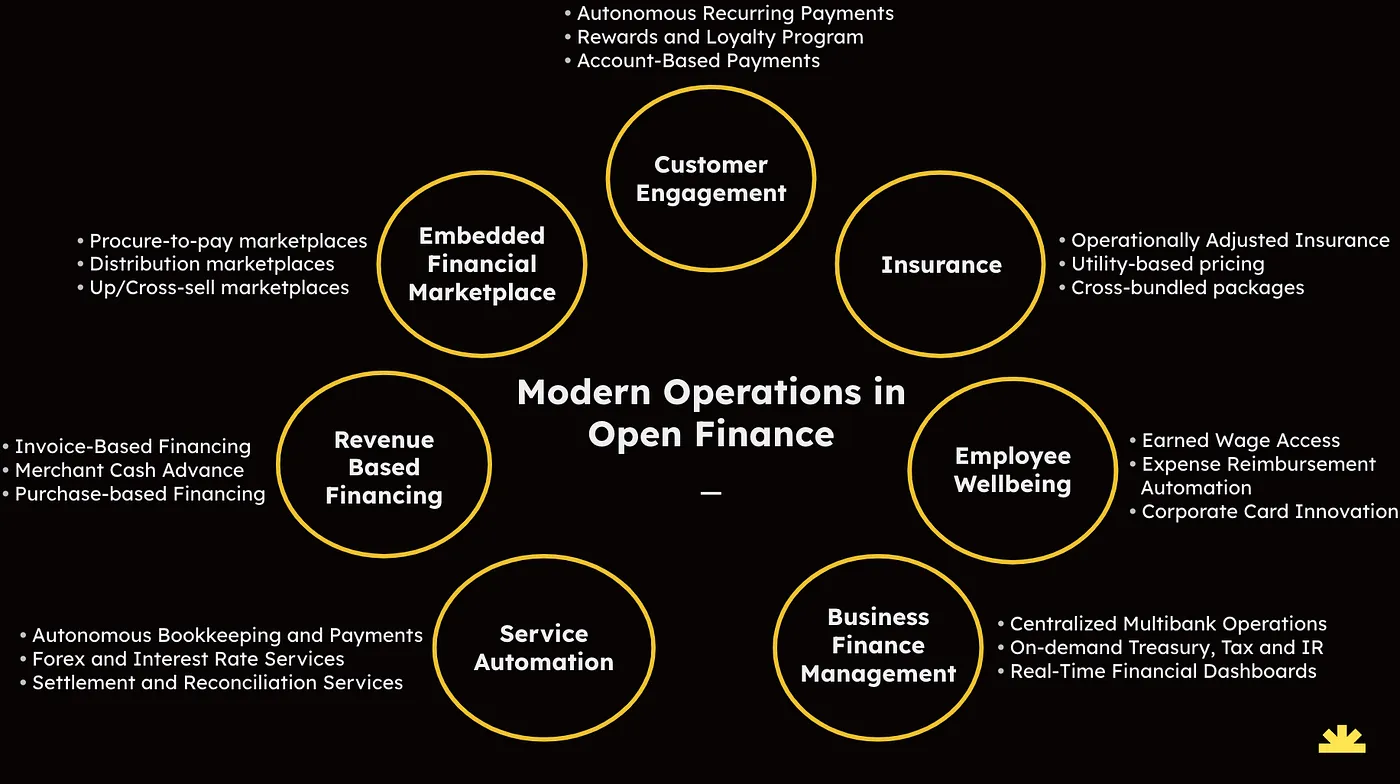
The finance function unleashed: from open banking to open finance
How the rise of open banking and open finance will reshape the finance function through automation, better forecasting, and open data. Read post
Navigating the ESG tsunami with PwC
What finance professionals need to know about the CSRD, ESRS, and EU Taxonomy as ESG reporting requirements expand across Europe. Read postNo posts match that search.